

Form Meets Foundation: Reimagining the Retaining Wall As an Outdoor Feature
In landscaping and construction, a retaining wall has traditionally been treated as a utilitarian necessity—a practical solution for controlling soil erosion and stabilizing uneven terrain. Modern outdoor design, however, has revolutionized this mindset. Today, these structural barriers are stepping into the spotlight as dynamic aesthetic features that effortlessly balance beauty, functionality, and sustainability. Rethinking these installations allows property owners to unlock the full potential of their landscape. By merging structural strength with architectural style, a well-designed retaining wall can define distinct living zones, improve property value, and elevate an ordinary yard into a cohesive, inviting sanctuary.
Trace the Historical Evolution
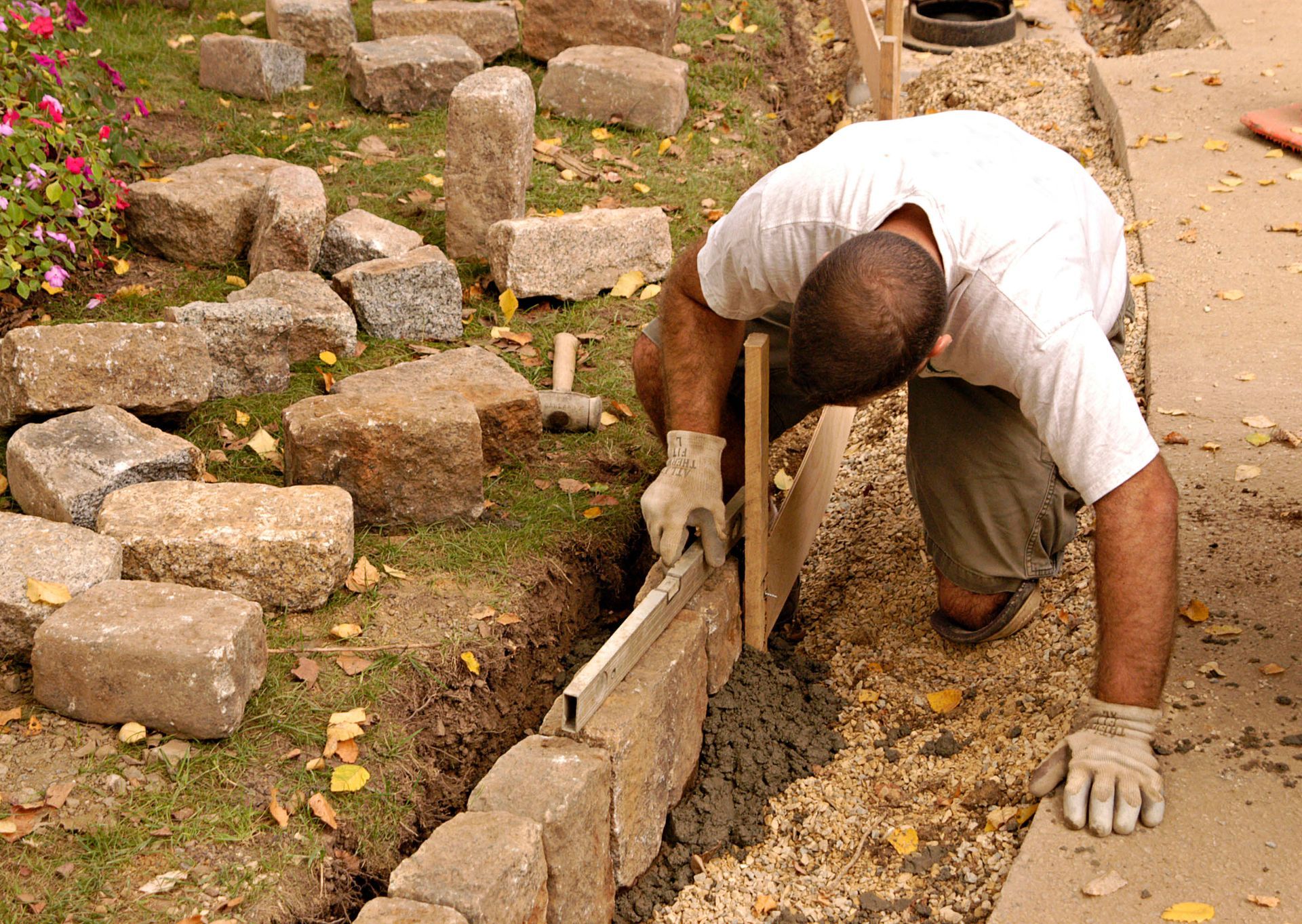
Historically, these barriers were simple structures designed to contain soil pressure, often constructed with basic materials like stones or concrete. They served a functional purpose, lacked visual appeal, and were overlooked in grander landscape designs. Over time, their utilitarian nature gave way to design-focused applications as architects appreciated the structural need intertwined with aesthetic potential. Historical examples reveal how ancient societies adapted to natural landscapes, utilizing these barriers to manage landslide-prone areas. In the transition to modern landscaping, these installations have become far more than rudimentary walls. With innovative practices, they now serve as stylish terraces, planter edges, and artistic boundaries, contributing to a space's visual character.
The driving force behind their evolution is the need to cater to consumer expectations of suburban beautification. They blend seamlessly with diverse landscapes, increasing property value. According to DiMarket, more than 75% of the worldwide market for these installations is driven by demand in the United States, Canada, Europe, and China. Recent advances have broadened the materials available for constructing a retaining wall, moving beyond traditional concrete to include recycled plastic, glass composites, and geosynthetics. These alternatives offer durability and reduce environmental impact, aligning with the global shift towards sustainability. Modern engineering techniques have revolutionized construction, enabling structures that are sturdy and intricate in design.
Design for Dual Functionality
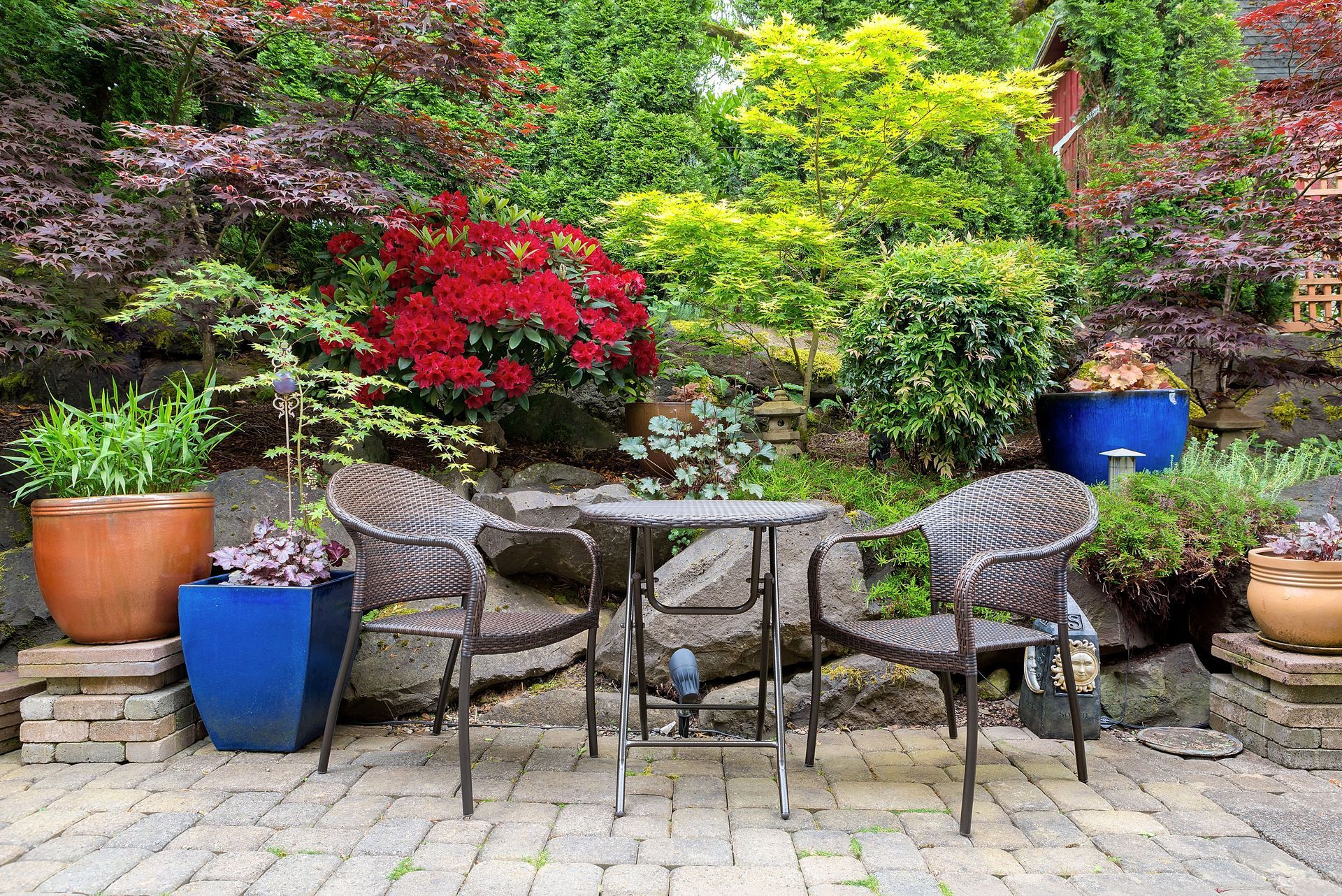
Incorporating aesthetic appeal into these designs is a crucial aspect of transforming traditionally utilitarian structures. By applying innovative practices such as using decorative stone, adding lighting, or creating textured surfaces, you can significantly enhance the beauty of an outdoor space. Aesthetic elements involve using subtle color palettes and natural materials that blend harmoniously with the environment, creating a unified look that is elegant and functional. These installations have the potential to transform steep slopes or underutilized areas into usable outdoor spaces, maximizing land use. Through careful planning, they can generate terraces for gardening, outdoor living areas, or even mini-recreational zones.
For property developers and homeowners alike, this conversion significantly enhances the usability and value of the land, providing more opportunities for creativity and enjoyment. By incorporating built-in seating or defining zones within a yard, they help delineate spaces for specific activities, improving the landscape's overall use. Building multifunctional features into a retaining wall is a smart approach that combines practicality with innovation. By embedding elements like lighting, storage, or waterways, they become intricate components of the landscape. Light-emitting diode fixtures integrated into the design can illuminate walkways or highlight specific architectural features, creating a magical evening ambiance.
Achieve Lasting Environmental Balance
Using eco-friendly materials in the construction process is pivotal for minimizing environmental impact. Sustainable options such as recycled materials, bamboo, and gabion systems have gained popularity since they lower carbon footprints and inspire environmentally conscious design practices. The adoption of such materials benefits the ecosystem and aligns with growing consumer demand for sustainability in construction. Eco-friendly materials support the local economy by using regionally sourced resources, thereby reducing transportation emissions. A properly designed retaining wall plays a significant role in improving drainage and controlling erosion, protecting both landscapes and infrastructure from natural elements.
By effectively managing water flow through integrated drainage systems, these barriers prevent soil loss and reduce the risk of flooding. They often include features like weep holes, drainage pipes, and gravel backfill to manage rainwater runoff efficiently. Incorporating greenery merges the built environment with the natural, fostering biodiversity and enhancing ecological health. Plant pockets and living wall systems have become popular features, offering vibrant displays of flora that support pollinators and wildlife habitats. Energy efficiency strategies applied to these designs offer innovative ways to harness natural resources, such as utilizing materials with excellent thermal mass properties.
Adapt to Varied Landscapes
Customizing installations for hilly terrains requires careful consideration of the landscape's unique challenges. Such environments demand structures that are resilient and intricately designed to accommodate the complex topography and prevent erosion effectively. Techniques like terracing allow sections of the slope to be converted into flat, usable areas, enhancing the land's functionality and aesthetics. Precise engineering and choice of materials ensure that a retaining wall blends effectively into the natural contours, providing stability while retaining visual charm. These adaptations make it possible to transform steep slopes into dynamic landscapes that are not only safe but also visually pleasing and highly functional.
Design considerations in coastal areas focus on resisting the unique challenges posed by proximity to water. Salty air, high tides, and potential flood zones require materials and construction methods that can withstand corrosion and degradation over time. Reinforced concrete, stainless steel elements, and treated timber are commonly used in such environments to prevent premature failure. Adjusting these features for urban settings requires nuanced approaches that cater to space limitations and aesthetic demands. Encapsulating modern architectural styles, urban installations must balance the need for practical function with the demand for style and integration with the city's overall visual identity.
Review Practical Case Studies
Residential transformations showcase how these elements can completely redefine outdoor living spaces. In several homes, property owners have used them to elegantly manage slopes, creating terraces that function as garden areas, patios, or extensions of indoor living spaces. A successful example involves a hillside property where the structure not only stabilized the soil but also created a flawlessly integrated multi-level garden, featuring terraces filled with native plants and seating spots. Another residential project in a cramped urban setting turned a mundane backyard into a dynamic space by incorporating a cascading water feature and tiered gardens.
In commercial settings, a well-built retaining wall provides functional solutions to landscaping challenges while contributing to brand identity through distinctive visual appeal. Commercial projects frequently showcase bold artistic designs or serve as living green installations to align with a company's ecological commitments. A high-end resort might use a natural stone barrier not only to manage its sloping grounds but also to enhance the aesthetic with planted features. Public spaces leverage these elements to enhance accessibility, manage land variously, and provide vibrant community aesthetics. In parks and community gardens, they define social spaces and gracefully guide foot traffic.
Transforming these structural necessities into captivating outdoor features represents a significant leap forward in landscape architecture. By blending aesthetic appeal with practical functionality, property owners can maximize their outdoor spaces while contributing to environmental sustainability. The evolution from simple soil barriers to sophisticated design elements showcases the endless possibilities available for modern landscapes. Embracing innovative materials, eco-friendly practices, and diverse cultural influences ensures that these structures will remain versatile, cherished components of exterior environments worldwide. We at Mares Excavating & Landscape would love to help you bring your vision to life and build a beautiful retaining wall for your property.
Share On: